If you're picturing a beat-up course cart puttering down the street, that's not what's cruising around Pacific Beach. The carts you see on San Diego roads are low-speed vehicles (LSVs) — a real, DMV-recognized class of vehicle with license plates, seat belts, and registration. Here's everything you need to know about how they work and where they can go.
What makes a golf cart "street legal" in California?
California defines a low-speed vehicle in the Vehicle Code: a four-wheeled vehicle that can reach 20–25 mph and weighs under 3,000 pounds. To be street legal, the cart must be equipped like a small car:
- Headlights, tail lights, brake lights, and turn signals
- Mirrors and a windshield
- Seat belts for every seat
- A VIN, DMV registration, and a license plate
- Insurance, just like any other registered vehicle
Every cart in the Beach Mode fleet checks all of those boxes — they're brand-new, fully registered LSVs, not modified course carts.
Where can you drive a street-legal golf cart?
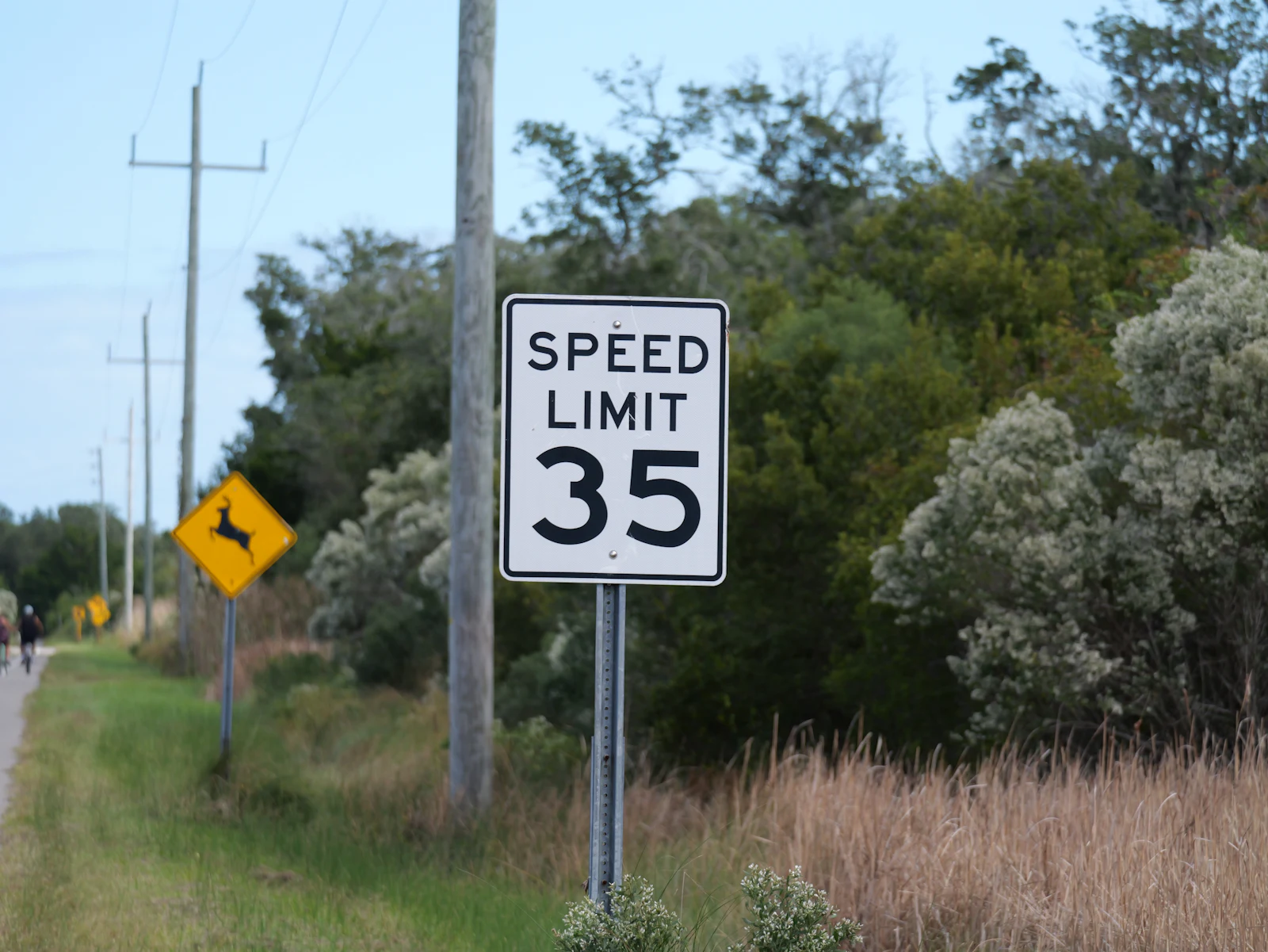
The rule that matters most: LSVs may drive on roads with a posted speed limit of 35 mph or less. That single rule unlocks nearly all of San Diego's beach neighborhoods:
- All of Pacific Beach and Mission Beach, including Mission Boulevard and Garnet Avenue
- The roads around Mission Bay, Crown Point, Fiesta Island, and De Anza Cove
- Most of coastal La Jolla via the lower-speed coast roads
You can cross a bigger road at a controlled intersection, but you can't cruise along highways or fast arterials — and you can't drive on the boardwalk or the sand (we covered that in detail in Can You Drive a Golf Cart on the Mission Beach Boardwalk?).
Our carts top out at 25 mph, which fits the beach pace perfectly. Honestly, we recommend 20 — you'll want the extra seconds of ocean view.
License and age rules
- A valid driver's license is required. That's state law for any LSV on public roads — and it's our rental policy, too. Visitors with a valid foreign license are welcome.
- Renters and drivers must be 21+ at Beach Mode Rentals, and every driver signs our liability waiver before the keys are handed over.
- Kids ride as passengers — and California's child car-seat laws apply in an LSV just like in a car: children under 8 ride in a car seat or booster in a rear seat, so bring yours along (it straps in normally). Every seat in our carts has a seat belt.
The full requirements rundown — deposits, waivers, what to bring — is in our guide: Do You Need a License to Rent a Golf Cart in San Diego?
The road rules are car rules
Because an LSV is a registered motor vehicle, everything that applies to driving a car applies to driving a cart:
- DUI laws fully apply. A golf cart is not a loophole — don't drink and drive, period.
- Stop signs, signals, right-of-way, and one-way streets all work the same.
- No sidewalks, no bike lanes, no boardwalk, no sand.
- Park only in legal parking spaces — meters and street-sweeping signs included (here's our parking guide).
- Phone use rules apply too — that's what the built-in CarPlay is for.
Special zones: Campland and private resorts
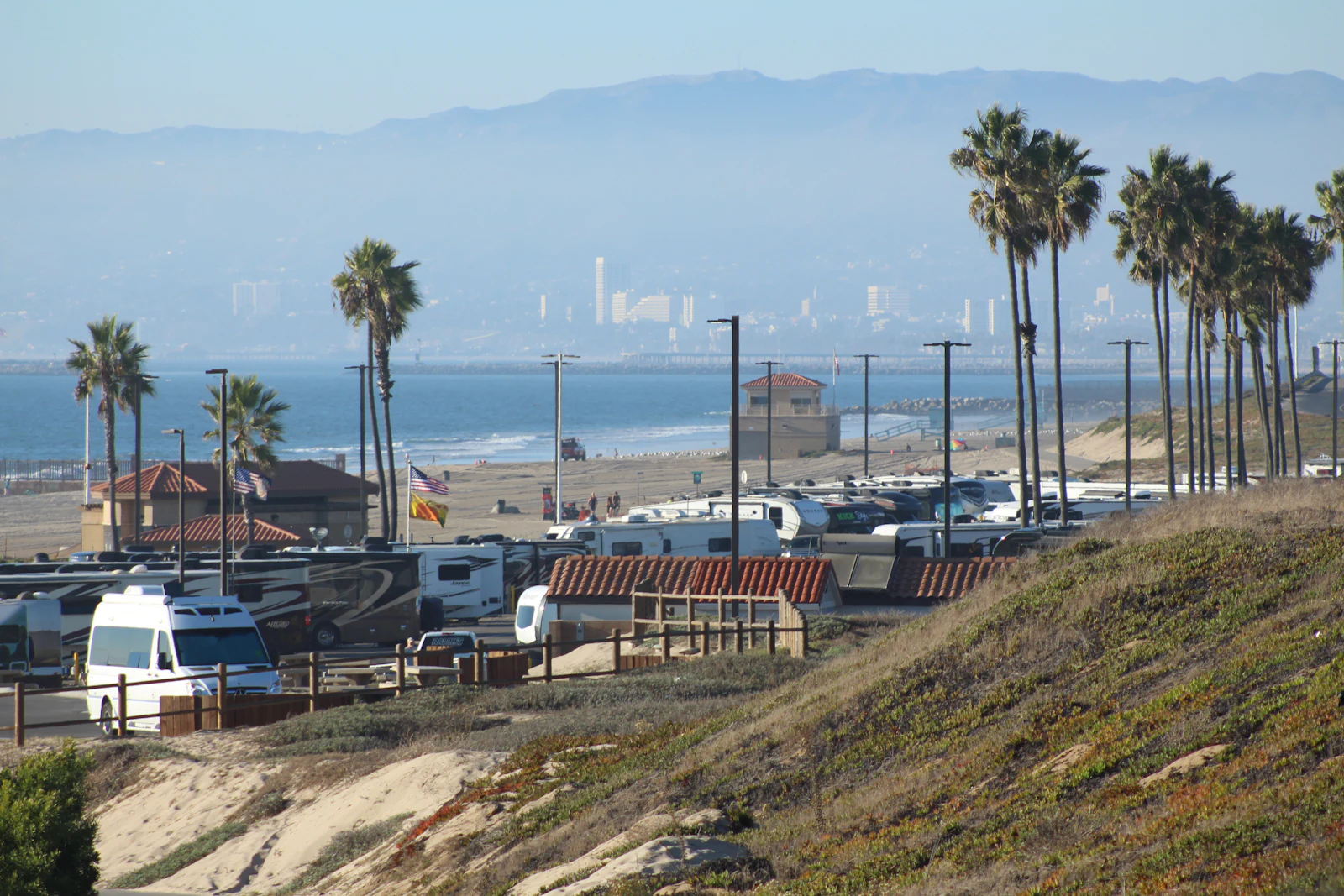
Private campgrounds and resorts can layer their own rules on top of state law. Campland on the Bay, for example, runs a 5 mph limit and requires a vehicle pass — we summarized the details in our Campland golf cart rules overview. Delivery to Campland is free with every Beach Mode rental, and our carts comply with the resort's requirements.
The bottom line
San Diego's beach communities are basically purpose-built for street-legal golf carts: a huge connected grid of 25–35 mph roads, scarce car parking, and short hops between the beach, the bay, and the taco shops. Follow the car rules, skip the boardwalk, belt everyone in, and you're set.
Ready to see PB the way locals do? Book your street-legal cart — from $160 for the first day, $130 each additional day, with transparent pricing and no surprises.